
Tin tức
INDUSTRIAL ALUMINUM EXTRUSION PROCESSING PROCEDURE AT VIET Y ALUMINIUM FACTORY
Overview of Industrial Aluminum Extrusion Technology
Aluminum extrusion is one of the key technologies in the modern aluminum manufacturing and processing industry. By applying heat and pressure to force an aluminum billet through a shaped die, this process produces aluminum profiles with cross-sectional shapes, dimensions, and structural configurations that meet specific technical requirements.
Thanks to its versatility in shaping, aluminum extrusion is widely used in various industries, including construction, mechanical engineering, supporting industries, equipment manufacturing, furniture, and industrial structural systems.
At Viet Y Aluminium Factory, the aluminum extrusion process is designed to meet customers' diverse requirements regarding product geometry, dimensional accuracy, surface quality, and production consistency. Each stage follows a defined technical sequence to ensure that the finished products meet the intended applications and the specific requirements of each order.
Receiving Customer Requirements and Designing Extrusion Dies
The production process begins with receiving customer information, technical drawings, and specific product requirements.
Based on the design documentation, the engineering team analyzes the cross-sectional geometry, dimensions, wall thickness, tolerances, and structural characteristics of the product. This is an essential step in determining the appropriate extrusion method, selecting the die, and establishing the necessary process parameters.
The extrusion die is designed to shape the aluminum billet into a profile with the required cross-section. The quality of die design and manufacturing directly affects formability, dimensional consistency, and production efficiency.
For products with complex geometries, evaluating extrusion feasibility at an early stage helps minimize technical issues, optimize the production process, and improve consistency during mass production.
Aluminum Billet Selection and Heating
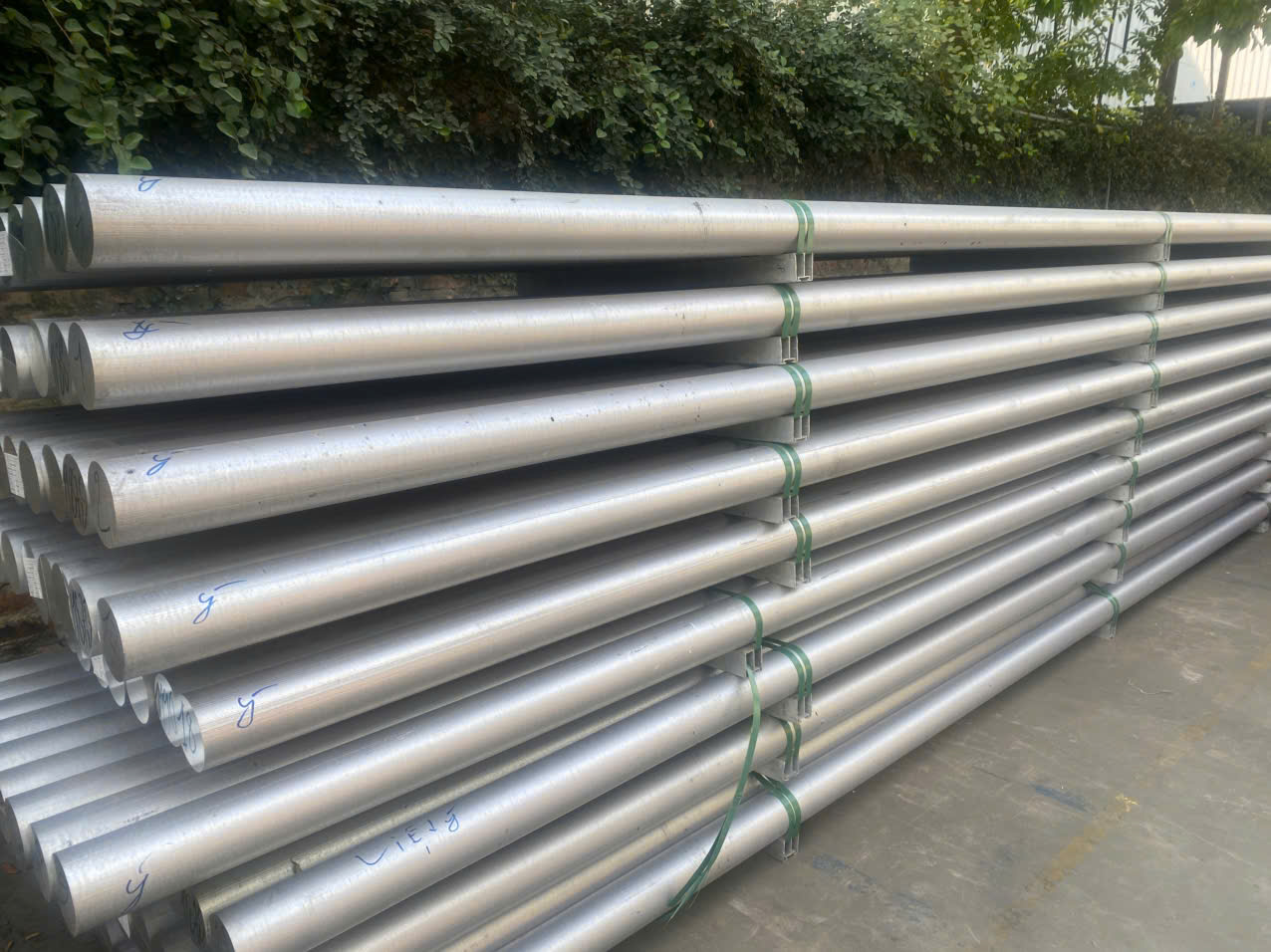
Once the preparation stage is complete, aluminum billets are selected according to the required alloy grade, dimensions, and mechanical properties of the finished product.
Selecting the appropriate material is essential for achieving the required formability, strength, and product quality. Depending on the intended application, different aluminum alloys may be required to meet specific technical and performance requirements.
The aluminum billets are then heated to a temperature suitable for the selected alloy and processing conditions. The heating temperature must be carefully controlled to facilitate plastic deformation during extrusion.
If the temperature is unsuitable, the forming process may become difficult or adversely affect the surface quality and mechanical properties of the product. Therefore, billet temperature control is one of the key factors in industrial aluminum manufacturing.
Aluminum Extrusion Process
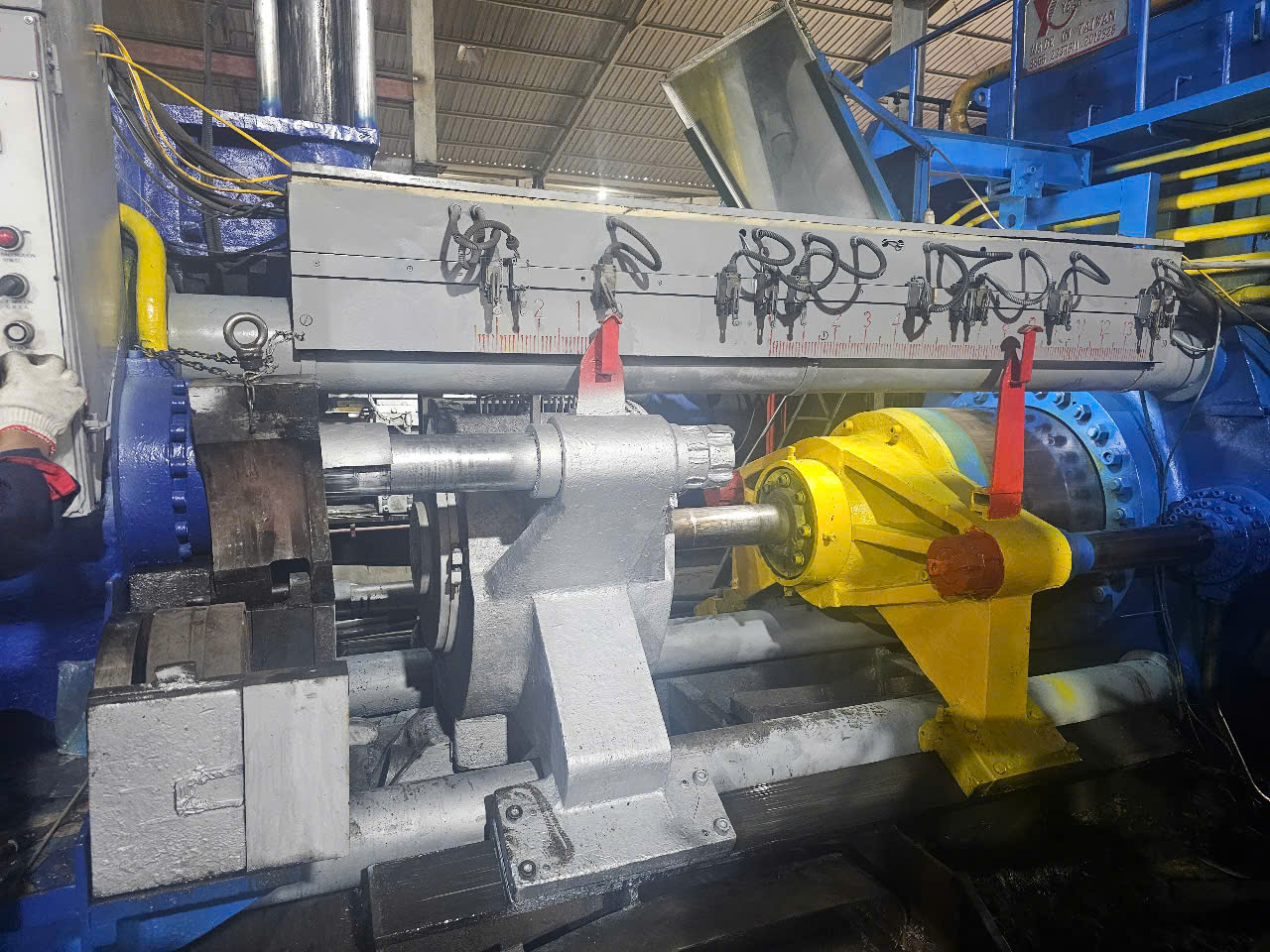
Extrusion is the central stage of the entire manufacturing process.
After heating, the aluminum billet is loaded into the extrusion press. Under high pressure, the aluminum material is forced through the die, forming an aluminum profile with the designed cross-section.
During this process, parameters such as billet temperature, extrusion speed, extrusion pressure, and die operating conditions must be appropriately controlled. Proper coordination of these factors helps minimize defects and ensures that the products meet the required standards for shape, dimensions, and surface quality.
At Viet Y Aluminium Factory, the extrusion process is tailored to the technical requirements of each product, ranging from profiles with simple cross-sections to specialized profiles designed for specific applications.
Effective control of the forming process is essential for maintaining consistency between production batches while improving raw material utilization.
Aluminum Profile Cooling and Straightening
After exiting the die, the aluminum profile is cooled using a method appropriate for the alloy type and technical requirements. This stage helps stabilize the product's shape and achieve the required mechanical properties.
Cooling methods may vary depending on the material and production conditions. Therefore, the cooling process must be carefully selected to minimize deformation and maintain profile quality.
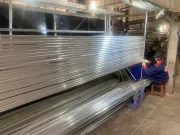
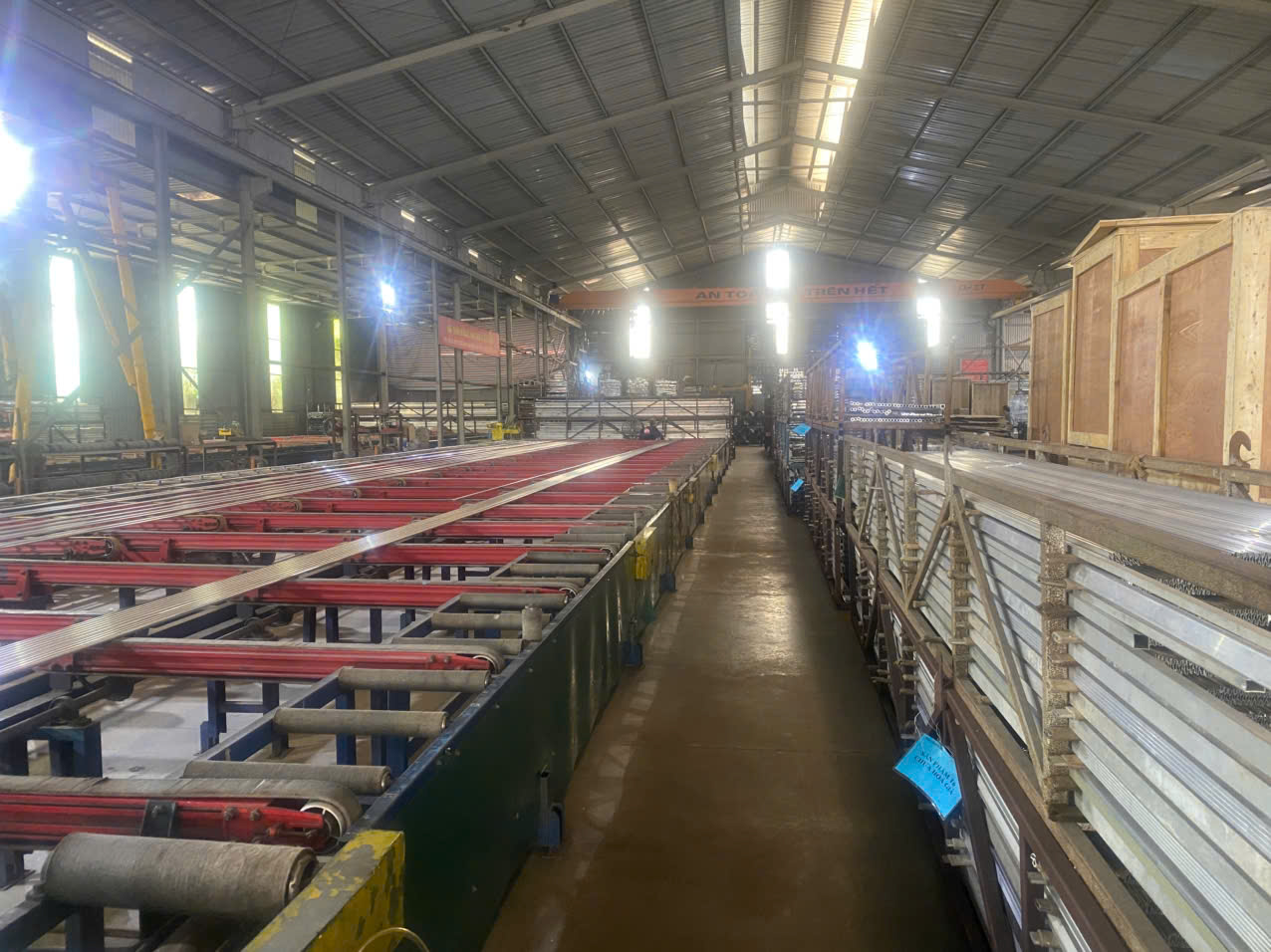
The aluminum profiles are then inspected for straightness and straightened when necessary. This operation helps reduce curvature, minimize deformation, and improve the dimensional stability of the finished products.
Straightness is particularly important for applications requiring precise assembly or further machining. Proper control of this stage helps reduce dimensional deviations during subsequent cutting, drilling, milling, and assembly operations.
Cutting to Length and Heat Treatment
After cooling and dimensional correction, the aluminum profiles are cut to the specified lengths. Cutting dimensions are determined based on technical drawings, customer requirements, and material utilization considerations.
For products requiring specific mechanical properties, the profiles may undergo an appropriate heat treatment process based on the alloy type and the desired temper.
Heat treatment is carried out according to the relevant technical parameters to achieve the required strength, hardness, and other mechanical properties. Controlling temperature, processing time, and cooling conditions helps ensure material consistency.
Not all extruded aluminum products require the same heat treatment process. The appropriate method depends on the alloy composition, intended application, and technical requirements of each order.
Product Quality Inspection
Quality control is an integral part of the industrial aluminum extrusion process.
After the main production stages are completed, products are inspected according to the applicable technical requirements. These inspections may include:
-
Dimensional Inspection: Verifying width, height, wall thickness, and other geometric dimensions against the technical drawings.
-
Shape and Geometry Inspection: Evaluating straightness, curvature, twisting, and cross-sectional characteristics.
-
Surface Inspection: Identifying irregularities such as scratches, cracks, or other defects that may affect product quality.
-
Mechanical Property Testing: Conducting the necessary tests when specific requirements apply to strength, hardness, or other mechanical properties.
-
Order-Specific Inspection: Verifying that the products comply with the technical drawings, applicable specifications, and agreed requirements.
These inspections help identify deviations at an early stage, facilitate corrective actions, and improve product consistency before delivery to customers.
Surface Finishing and Custom Processing
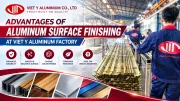
Depending on the intended application, extruded aluminum profiles may undergo additional processing, such as precision cutting, drilling, milling, mechanical machining, or surface treatment.
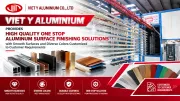
Among these processes, aluminum anodizing is a surface treatment method used to form a protective oxide layer, improve corrosion resistance, and enhance the product's appearance. Depending on customer requirements, different color options and surface finishes may be available.
In addition to anodizing, certain products may require other finishing methods to meet appearance standards, environmental conditions, or assembly requirements.
The selection of additional processing operations depends on the material properties, product design, and the customer's specific requirements. These processes help industrial aluminum profiles meet the demands of specialized applications more effectively.
Packaging and Product Delivery
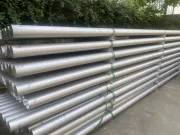
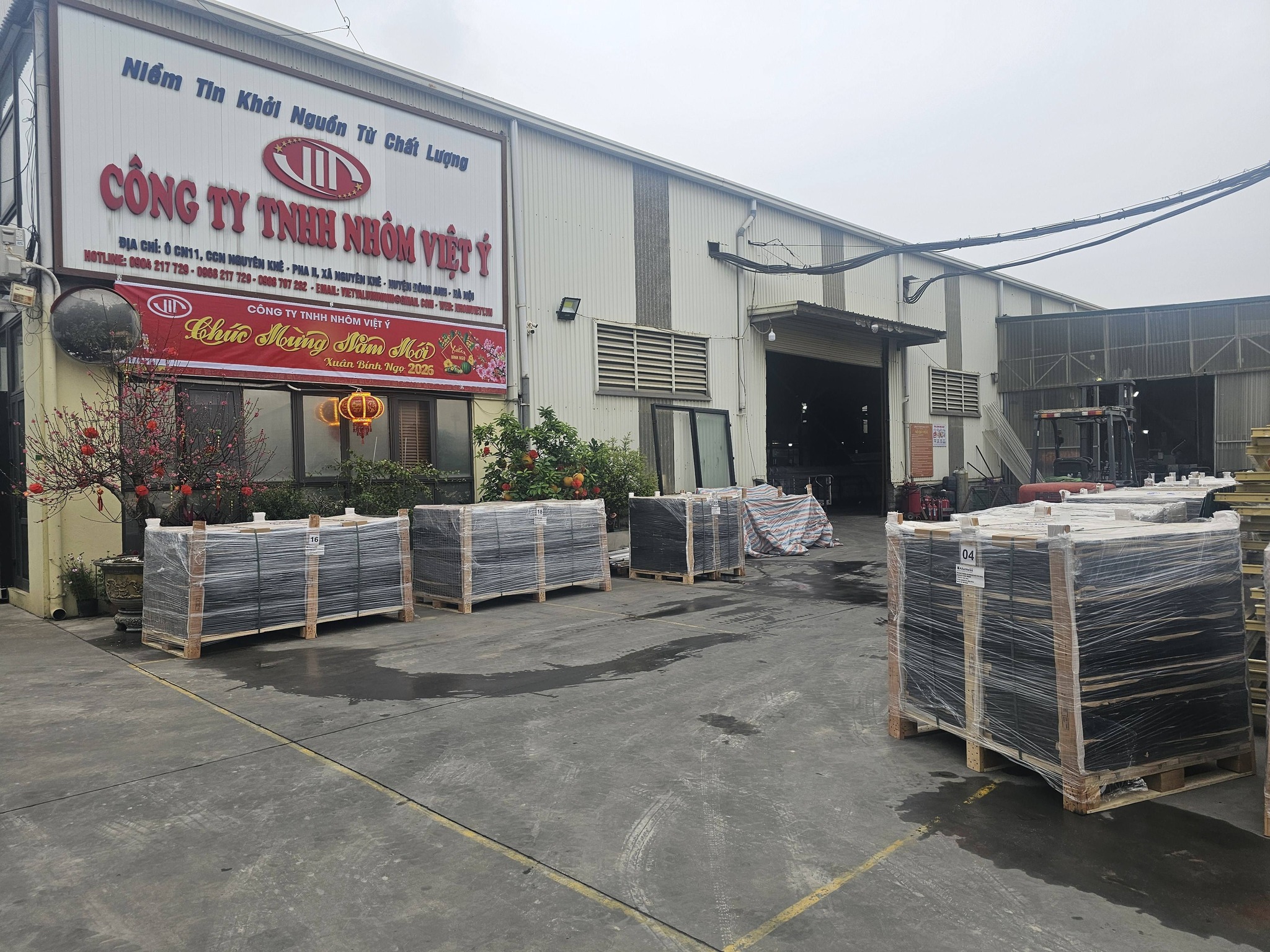
After all manufacturing and inspection stages have been completed, the products are sorted, packaged, and prepared for delivery.
Packaging methods are selected to minimize scratches, impacts, and other factors that could damage the aluminum surface during transportation. Depending on the profile shape, length, and order requirements, products may be bundled, wrapped with protective materials, or arranged using an appropriate packaging method.
Product specifications and quantities are verified before delivery, enabling customers to receive, inspect, and put the products into use efficiently.
Contact Information of Viet Y Aluminium Co., Ltd
Address: Plot CN11, Nguyen Khe Industrial Cluster, Phase 2, Phuc Thinh Commune, Hanoi City, Vietnam
Hotline: +84988.89.3968 | Zalo/Wechat: +84988.89.3968 | Email: yen.vitgroup@gmail.com
Fanpage: https://www.facebook.com/nhomviety.vn