
Tin tức
Rough Machining of A62/36” Products at Viet Y Aluminium Factory
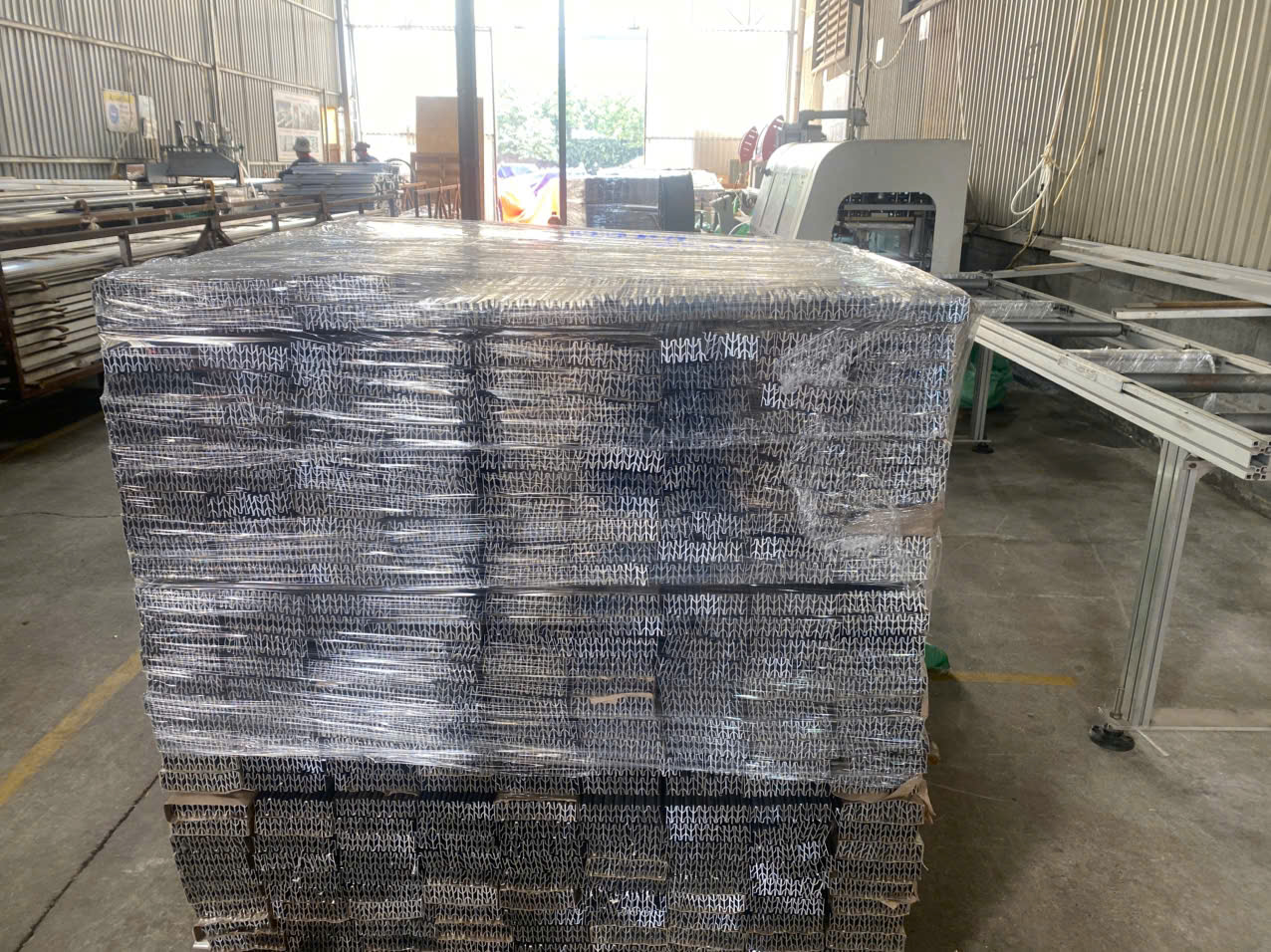
In industrial manufacturing, every production stage plays an important role in determining the quality and efficiency of the finished product. In particular, rough machining is a fundamental step that establishes the initial shape of a component and brings it closer to the required dimensions and geometry before it proceeds to subsequent machining operations. At Viet Y Aluminium Factory, the rough machining process for A62/36” products is carried out with a strong focus on technical requirements, precision, and workplace safety.
Rough Machining – An Essential First Step in the Manufacturing Process
Rough machining is the initial material-processing stage, designed to remove excess material according to technical requirements and establish the preliminary shape of a product. This step helps prepare the component for subsequent operations while contributing to more efficient material utilization and production time management.
For A62/36” products, rough machining requires operators to understand the applicable manufacturing procedures, follow technical instructions, and monitor relevant parameters throughout the process. From preparing the workpiece and selecting the appropriate machining method to inspecting the product after processing, every step must be performed carefully to ensure compliance with the specified requirements.
At Viet Y Aluminium Factory, this operation represents more than a routine manufacturing activity. It demonstrates the coordination of skilled personnel, machinery, and standardized operating procedures within an industrial production environment.
Thorough Preparation Before Machining
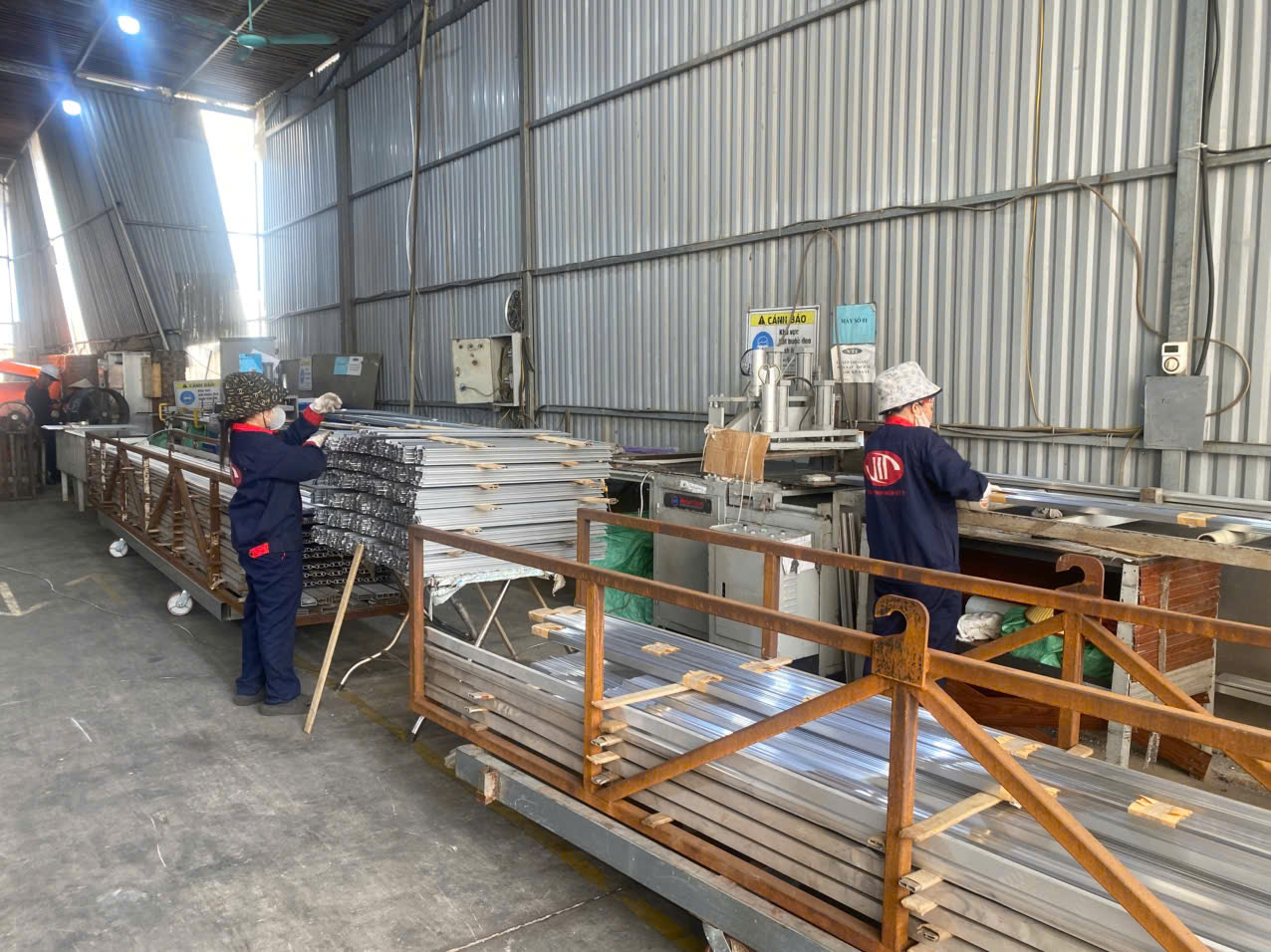
Before rough machining of A62/36” products begins, proper preparation is essential to ensure a smooth and efficient production process. Materials, equipment, and machining tools must be inspected and prepared in accordance with the production plan and the technical requirements applicable to the product.
In addition, checking the condition of machinery, equipment, and operating conditions helps minimize potential disruptions during production. Operators must understand the requirements of each operation, follow the prescribed operating instructions, and wear appropriate personal protective equipment in accordance with workplace safety regulations.
Thorough preparation helps reduce errors, minimize production interruptions, and establish a solid foundation for efficient machining operations.
Rough Machining of A62/36” Products
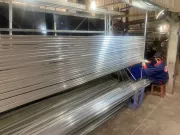
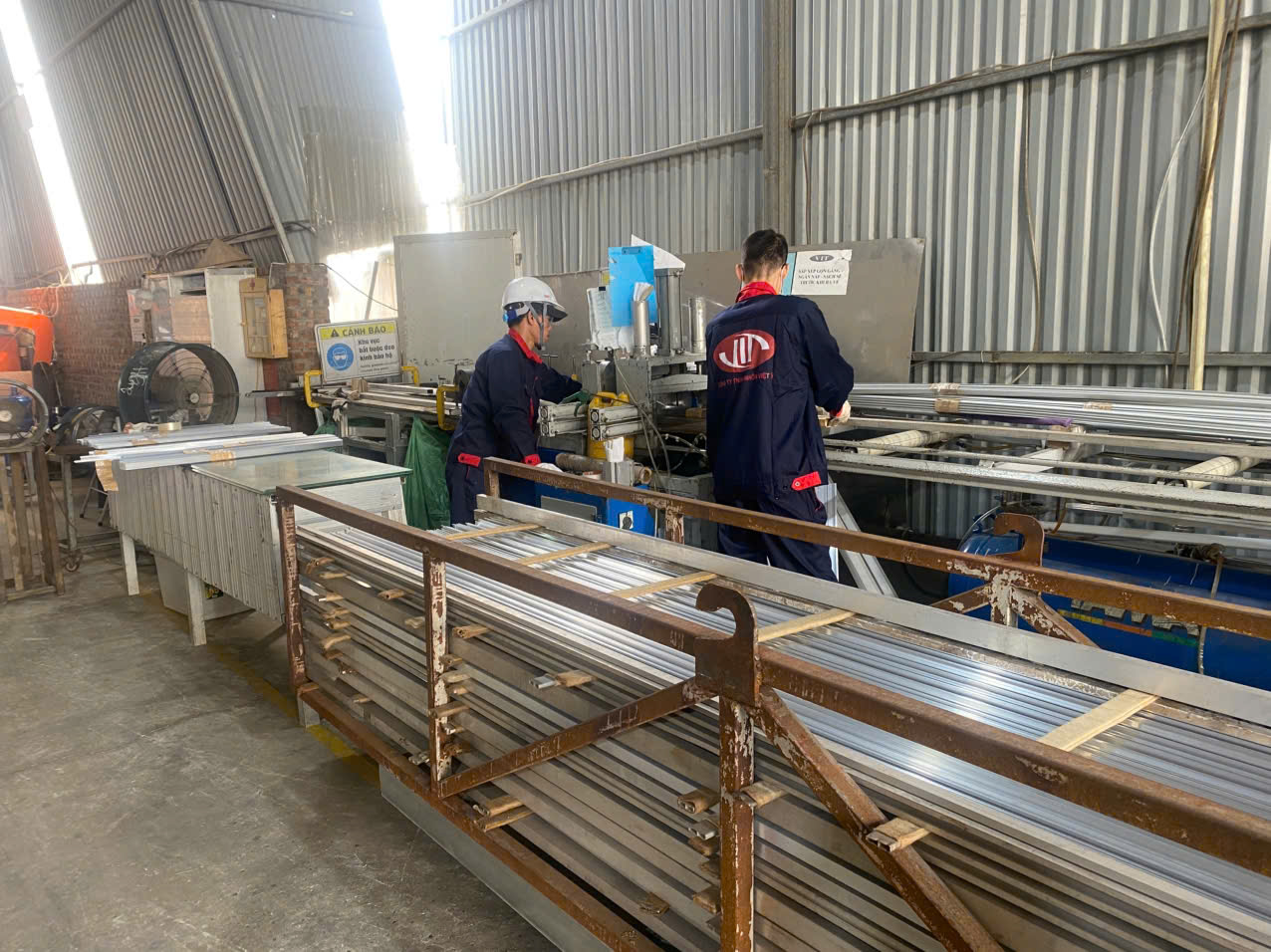
Once preparation is complete, rough machining proceeds according to the appropriate manufacturing sequence. Throughout the operation, machine operators must monitor equipment conditions, maintain control over machining activities, and pay close attention to factors that may affect product quality.
The primary objectives of rough machining are to establish the initial shape, remove excess material, and bring the component to a condition suitable for subsequent processing. Depending on the product's actual characteristics and the machining methods employed, relevant technical parameters must be adjusted and controlled in accordance with approved procedures.
At this stage, operators' experience, concentration, and technical skills are particularly important. Correct operating techniques, effective coordination with machinery, and the timely identification of abnormal conditions help maintain process stability and ensure consistent production performance.
Through their professionalism and commitment to their work, the employees and production teams at Viet Y Aluminium Factory contribute to maintaining scheduled operations, improving productivity, and supporting the company's product quality objectives.
Quality Control at Every Stage
Product quality should not be assessed solely at the final inspection stage; it must be monitored throughout the entire manufacturing process. For A62/36” products, inspection after rough machining helps identify potential deviations in shape, dimensions, or surface condition at an early stage.
Inspection results must be compared against the applicable drawings, standards, and technical requirements. If any discrepancies are identified, the responsible personnel must determine the underlying causes and implement appropriate corrective measures before the products proceed to the next operation.
Early-stage quality control helps minimize the risk of defects in subsequent processes, reduce material waste, and improve overall manufacturing efficiency. It also provides an important foundation for maintaining production consistency and meeting customer requirements.
Prioritizing Workplace Safety and Production Efficiency
Alongside technical precision and product quality, occupational safety remains a key priority throughout the machining process. Employees must comply with machine operating procedures, use the appropriate protective equipment, and maintain a clean, organized, and orderly working environment.
Proactively identifying potential hazards, inspecting equipment before operation, and maintaining effective coordination between workstations help reduce risks, protect employees, and support uninterrupted production activities.
Furthermore, optimizing machining operations, using materials efficiently, and minimizing unnecessary waiting time are important measures for improving productivity. When safety, quality, and delivery requirements are managed together, the overall effectiveness of the manufacturing process can be enhanced.
Demonstrating Professionalism and a Strong Sense of Responsibility
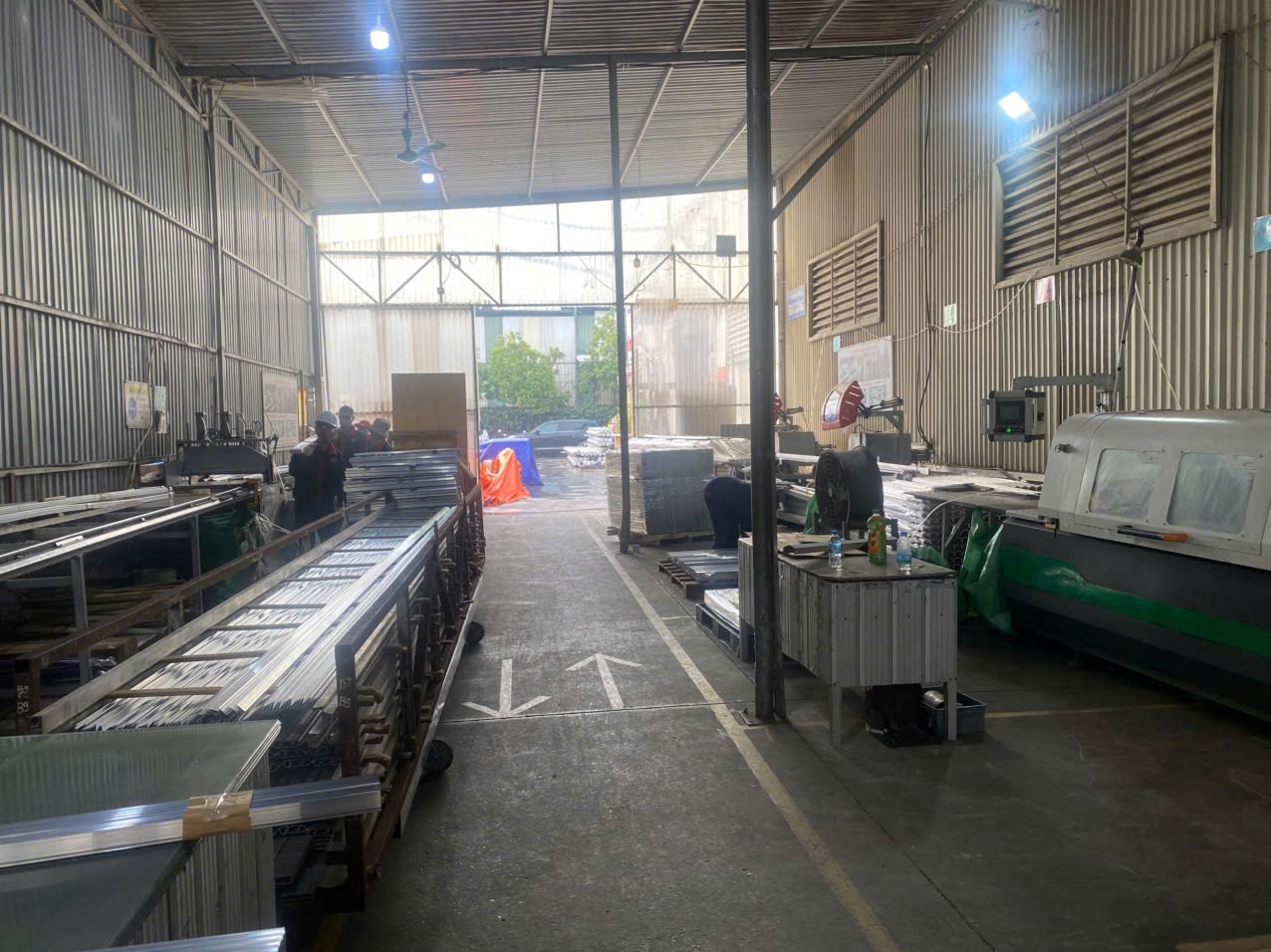
The rough machining process for A62/36” products at Viet Y Aluminium Factory highlights the importance of every stage in the industrial manufacturing chain. From initial preparation and machining operations to quality inspection and workplace safety, successful production depends on close coordination between personnel and equipment.
Every component processed during rough machining reflects a manufacturing process that requires concentration, discipline, and a strong sense of responsibility. Paying attention to quality from the earliest stages not only establishes a reliable foundation for subsequent operations but also contributes to improving the factory's overall operational efficiency.
With a continued commitment to process improvement, workplace safety, and manufacturing quality, Viet Y Aluminium Factory strives to build a professional and efficient working environment while pursuing sustainable development.
Contact Information of Viet Y Aluminium Co., Ltd
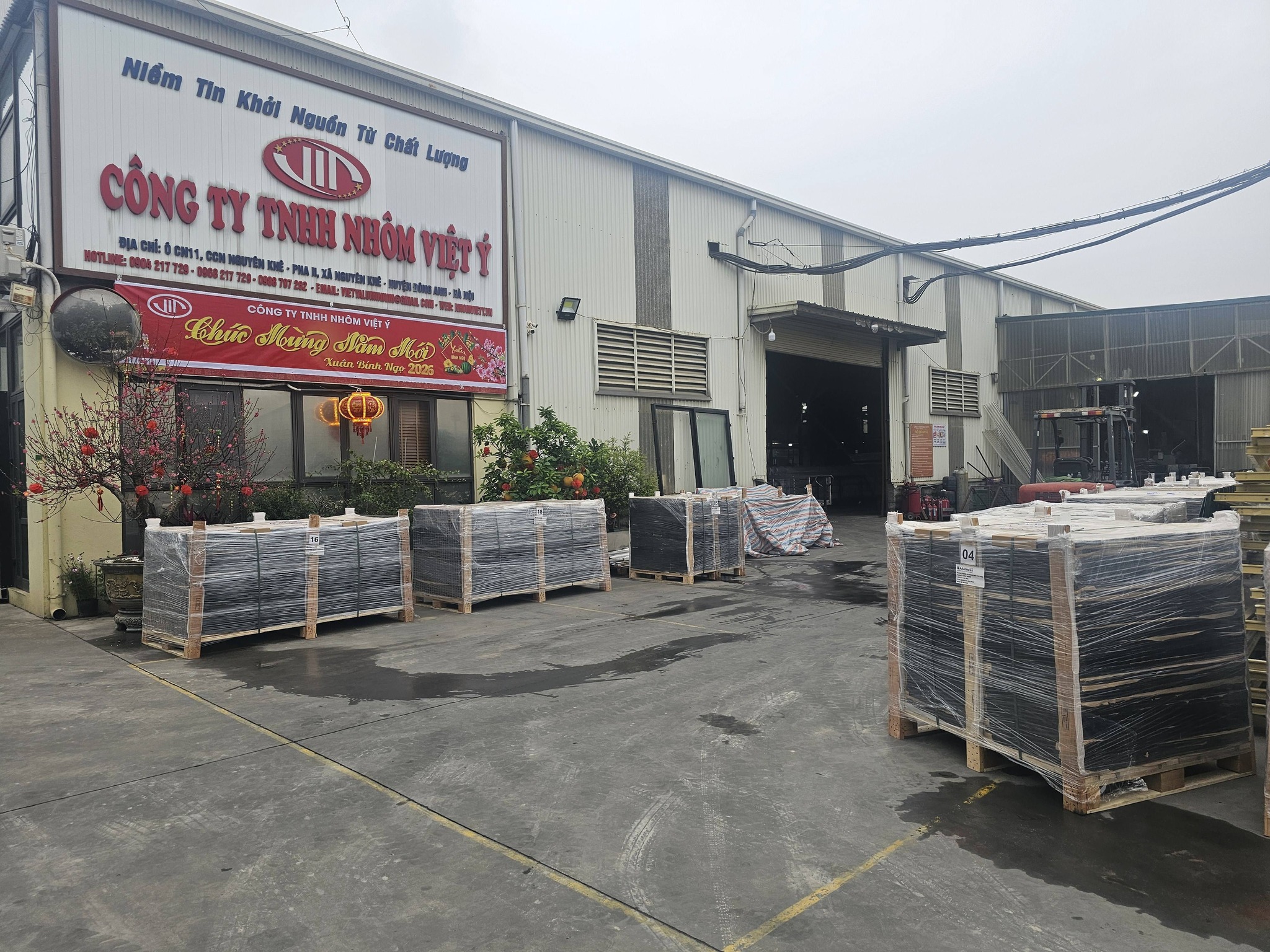
Address: Plot CN11, Nguyen Khe Industrial Cluster, Phase 2, Phuc Thinh Commune, Hanoi City, Vietnam
Hotline: +84988.89.3968 | Zalo/Wechat: +84988.89.3968 | Email: yen.vitgroup@gmail.com
Fanpage: https://www.facebook.com/nhomviety.vn